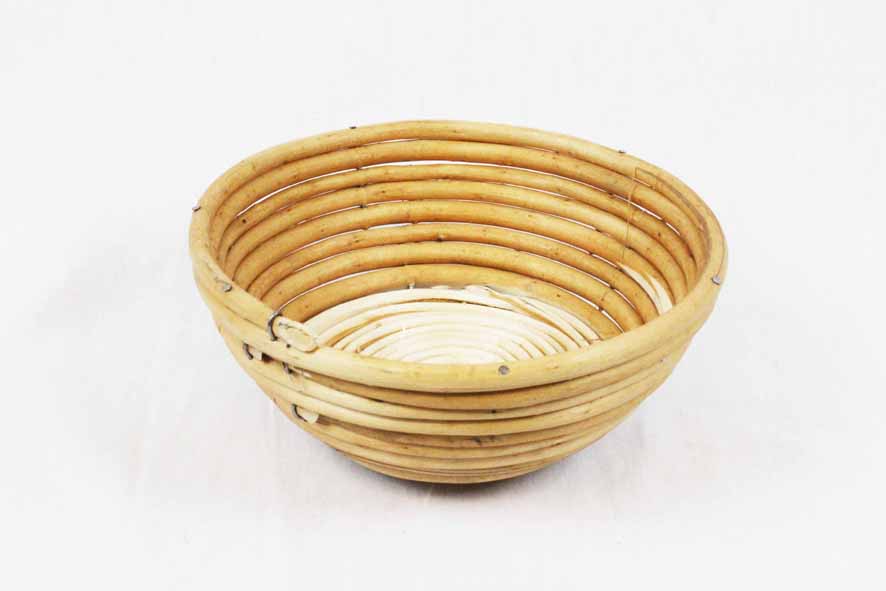
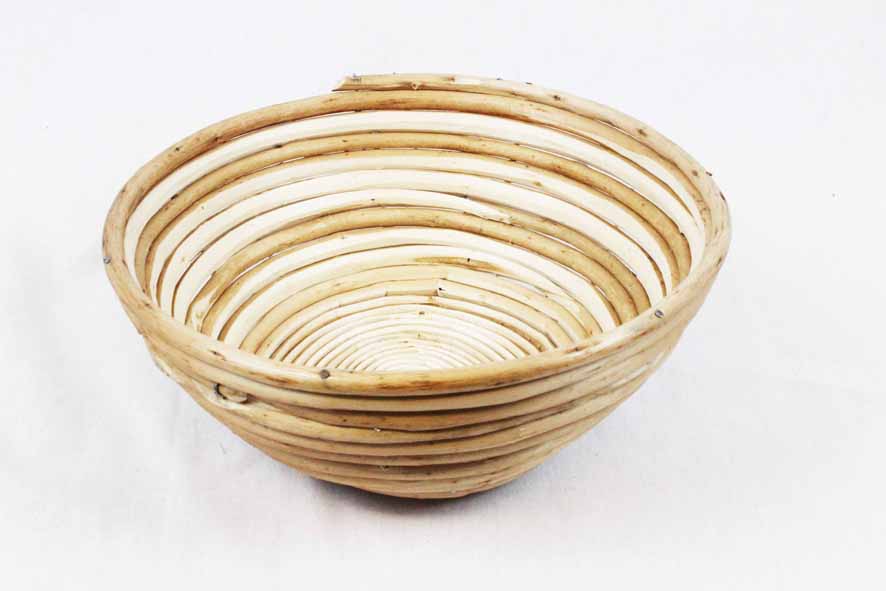
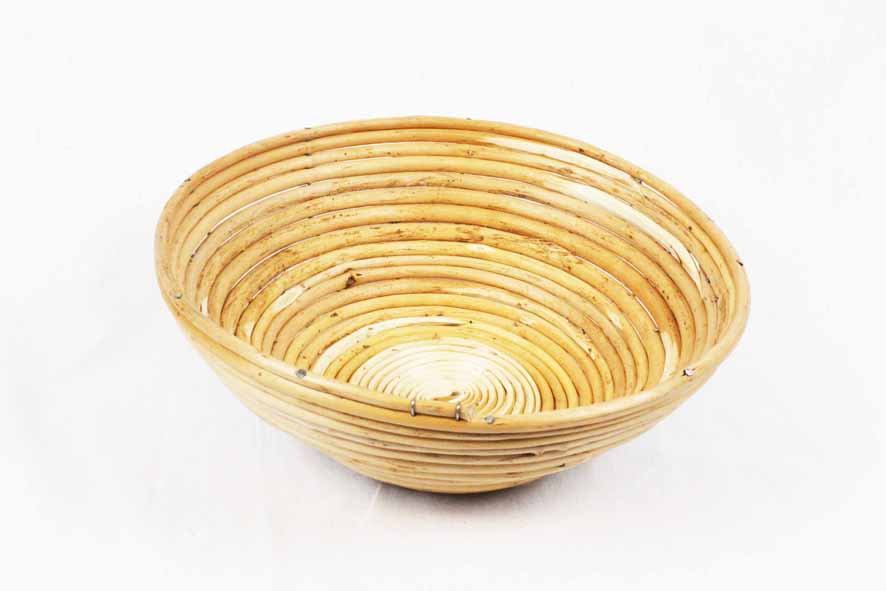
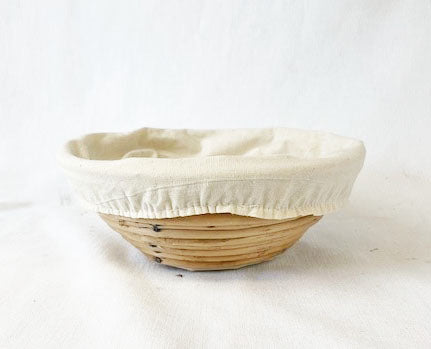
Proving baskets, also called bannetons or bread molds
Proofing baskets are an indispensable tool for anyone who loves to bake cold-leavened bread and sourdough bread. With a proofing basket, the dough gets support during the fermentation process and contributes to the perfect shape and structure of the bread. A piece of cloth in the proofing basket is important to prevent the dough from sticking and at the same time maintain the traditional patterned surface of the bread. By using a proofing basket with cloth, your cold-leavened bread and sourdough bread will get that beautiful, rustic finish that makes homemade bread so special.
Proving baskets, also known as bannetons or bread forms, have a long history dating back to traditional European bakeries. Originally, they were used to provide structure and shape to bread during fermentation, especially for sourdough breads. These baskets, often made of rattan or wood, were particularly popular in Germany and France, where artisanal bread-making traditions placed great value on form and appearance. Over time, proving baskets have evolved into an indispensable tool for cold-leavened breads, and today they are used worldwide by both professional and home bakers.
Korgboet
Fermentation basket - round

Korgboet
Fabric cover for fermentation basket - round

Why should I use a proofing basket?
- Perfect Shape and Structure: Proofing baskets provide support for the dough during proofing and create an even and beautiful shape for the bread.
- Beautiful Pattern: The traditional pattern of the baskets gives the bread a rustic and appealing surface, especially for sourdough bread.
- Optimized Fermentation: The natural material of the rattan breathes, which promotes the fermentation process and helps the dough to rise evenly.
- Reduced Risk of Sticking: Having a piece of cloth in the basket prevents the dough from sticking, making it easier to turn the bread out.
- Traditional Baking: Proofing baskets are a classic tool that adds authenticity and a sense of craftsmanship to your homemade bread.
How do I bake with a proofing basket?
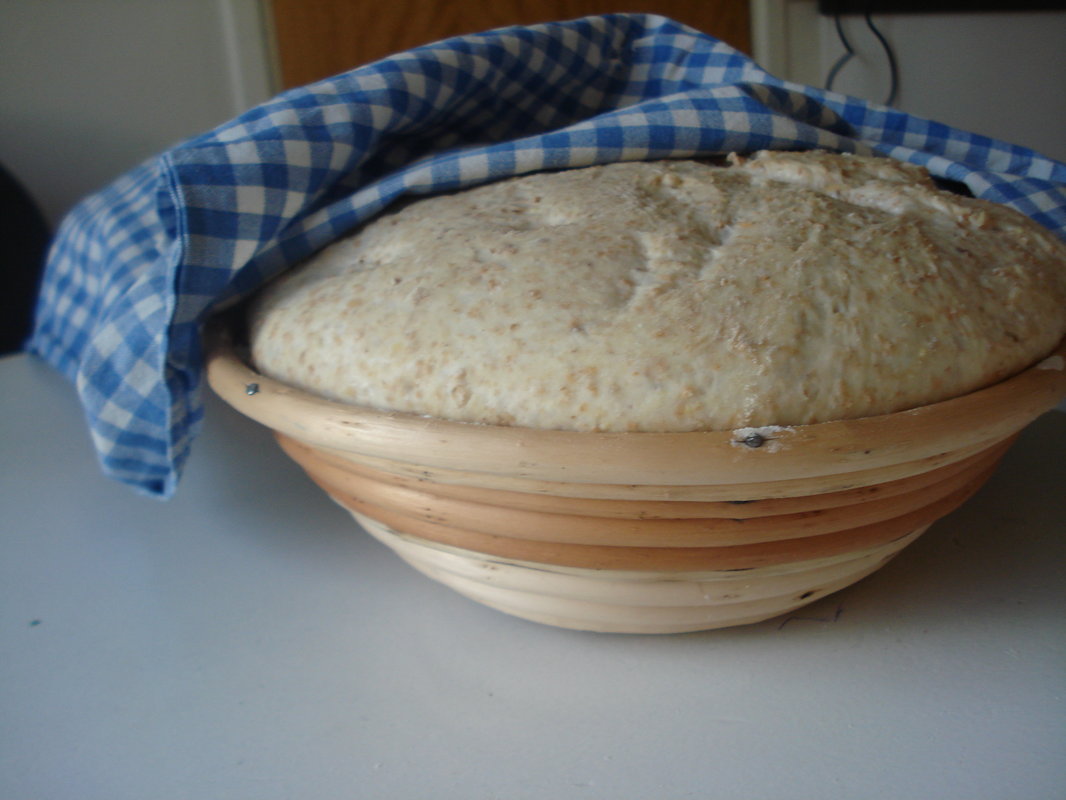
Baking with a proofing basket is easy and yields amazing results! Start by generously flouring the basket, preferably with a piece of cloth to prevent the dough from sticking. Shape the dough and place it in the proofing basket, seam side up. Let the dough rise until it has almost doubled in size. Then carefully tip the dough out onto a baking sheet, make cuts and bake to perfection.
Old-fashioned Recipe for Cold Yeast Bread for Round Proving Basket
The recipe is suitable for Round proofing basket 22cm
Ingredients:
- 500 g wheat flour (preferably organic stone-ground)
- 100 g rye flour
- 350 ml cold water
- 10 g sea salt
- 10 g fresh yeast (or 3 g dry yeast)
- 100 g sourdough (if using fresh yeast, reduce to 5 g)
Preparations:
Day 1:
Dissolve the yeast in cold water in a large bowl.
Add the sourdough and stir thoroughly.
Add the wheat flour, rye flour and salt. Mix until everything is well incorporated into a sticky dough.
Cover the bowl with a clean kitchen towel. Let stand at room temperature for 1-2 hours.
Then place the bowl in the refrigerator and let it ferment overnight, at least 12 hours.
Day 2:
Remove the dough from the refrigerator and let it stand at room temperature for 1 hour.
Lightly flour your baking table and tip out the dough.
Stretch and fold the dough a few times to create tension in the dough. Then shape into a round ball.
Flour the proofing basket thoroughly and place the dough with the "seam" facing up in the basket. Cover with a towel.
Let the dough rise for another 1-2 hours at room temperature, or until it has almost doubled in size.
Baking:
Preheat the oven to 250°C with a baking stone or heavy baking sheet inside. Place a steam tray at the bottom of the oven.
When the dough has finished rising, carefully turn it out onto a baking sheet.
Make a few cuts in the dough with a sharp knife or razor blade.
Slide the bread onto the baking stone/plate and pour some water onto the steamer plate to create steam.
Bake for 15 minutes at 250°C, then reduce the temperature to 220°C and bake for another 25-30 minutes until the bread is golden brown and has an internal temperature of at least 96°C.
Let the bread cool completely on a rack before cutting it!
Enjoy your cold-leavened bread with butter, cheese or a delicious soup!
Recommended products for KITCHEN
-
Källans Linseed Oil Soap - Honey Rose
1 reviewRegular price From €10,95Regular price€10,95Sale price From €10,95Sold out -
Källans Linseed Oil Soap - Summer Linden
1 reviewRegular price From €10,95Regular price€10,95Sale price From €10,95Sold out -
Knob strip - Ash
No reviewsRegular price From €9,95Regular price€9,95Sale price From €9,95 -
Shampoo Cube - Marigold & Chamomile
No reviewsRegular price €11,95Regular price€11,95Sale price €11,95 -
Butter knife
No reviewsRegular price €2,95Regular price€2,95Sale price €2,95 -
Wooden spoon - round spoon head
No reviewsRegular price From €1,95Regular price€1,95Sale price From €1,95 -
Sold out -
Honey spoon
No reviewsRegular price €3,95Regular price€3,95Sale price €3,95 -
Källans Linseed Oil Soap - The Original (Unscented)
1 reviewRegular price From €10,95Regular price€10,95Sale price From €10,95 -
Fabric cover for fermentation basket - round
No reviewsRegular price €8,95Regular price€8,95Sale price €8,95