
5 Uses for Linseed Oil
- Wood treatment: Linseed oil protects and gives wood a natural finish.
- Surface protection and impregnation: Linseed oil forms a durable barrier against weather and moisture on surfaces such as stone and terracotta.
- Floor treatment: Linseed oil adds shine and improves the durability of floors.
- Rust protection for metal: Linseed oil prevents corrosion and rust formation on metal surfaces.
- Painting and building maintenance: Linseed oil preserves and protects both wooden details and facades on older buildings.
Källans Naturprodukter
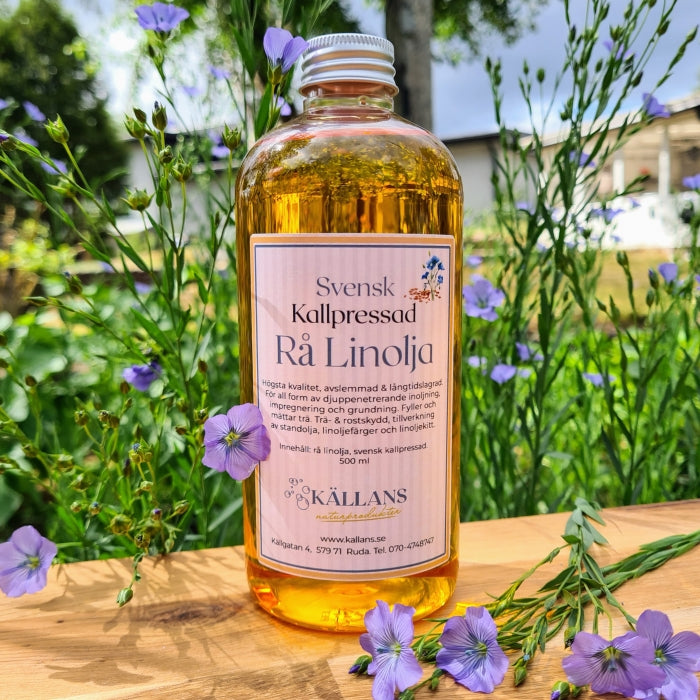
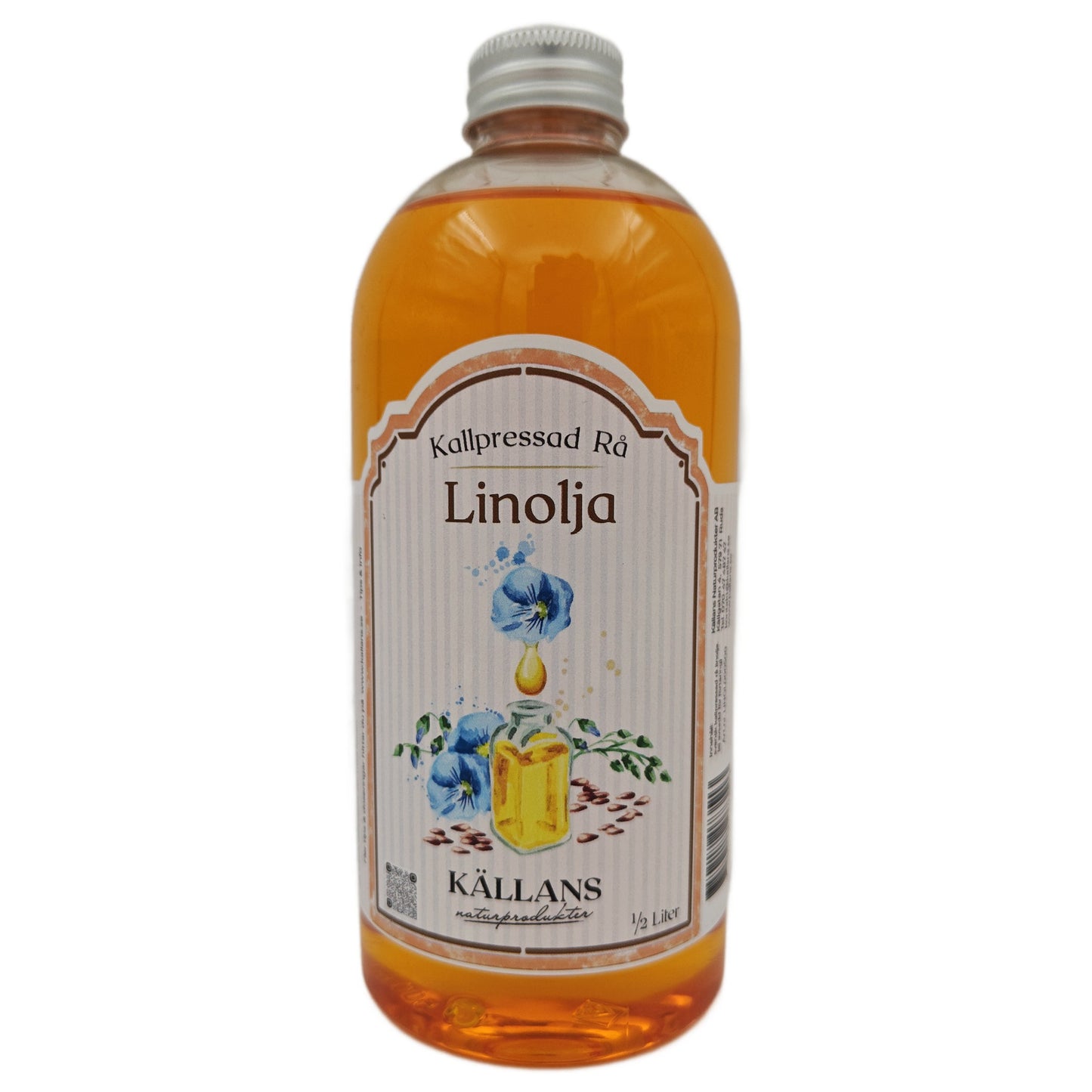
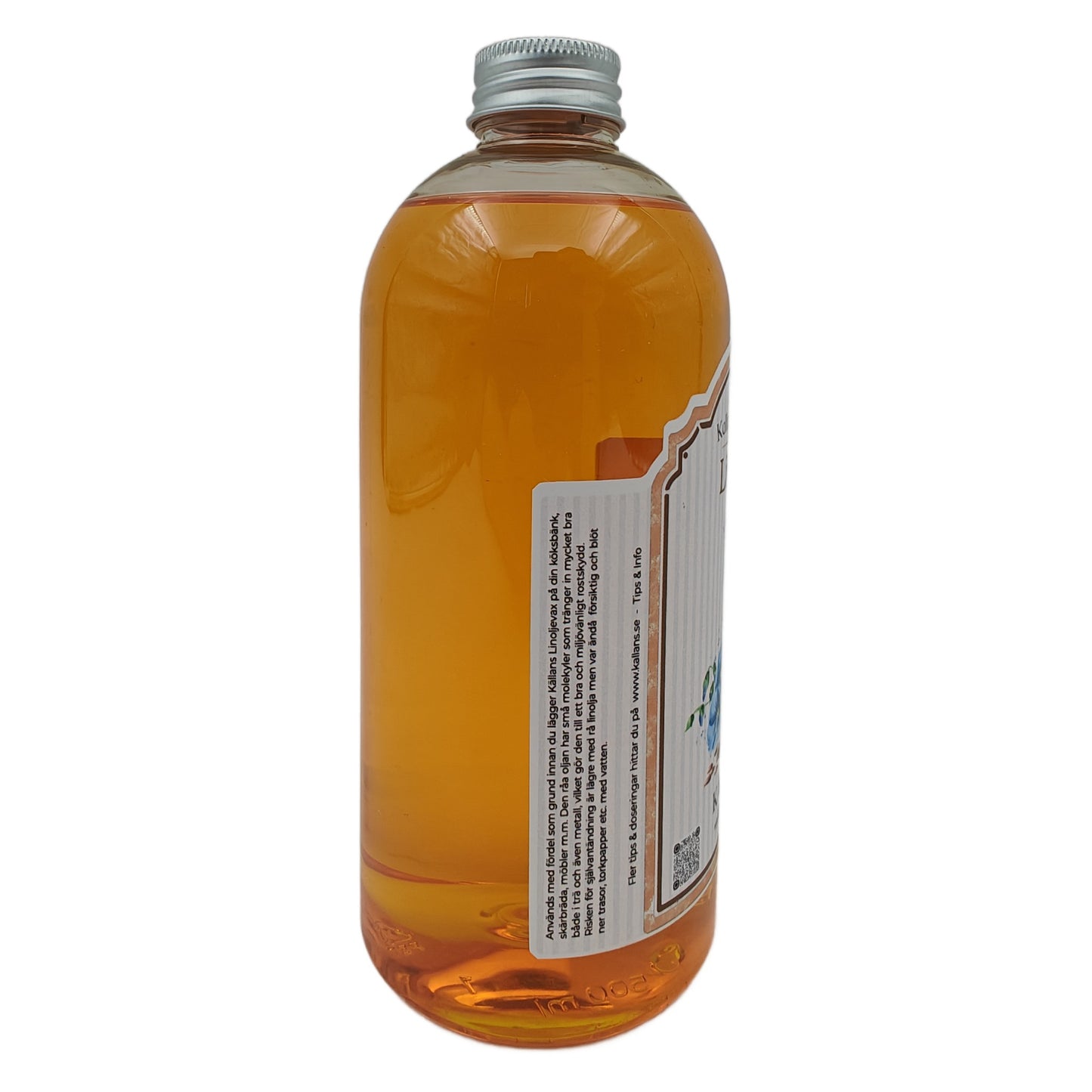
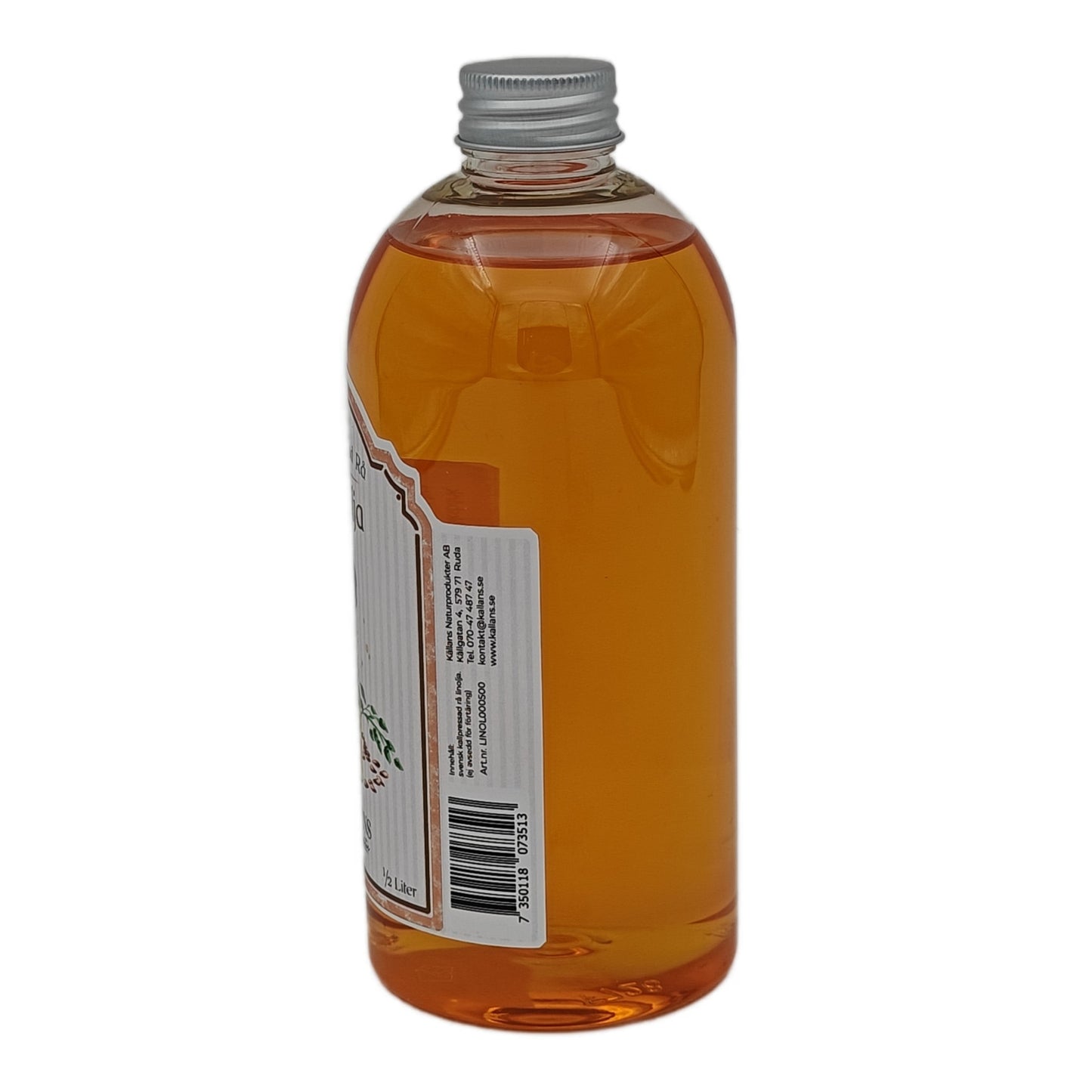
Linseed Oil - Raw & Cold Pressed 500ml

Wood treatment:
Linseed oil is an excellent option for treating wood products such as furniture, floors and joinery. It protects the wood from moisture and gives it a natural, beautiful surface.
- Apply the linseed oil in an even and thin layer for best results.
- Let the wood dry thoroughly between each application to avoid sticky surfaces.
- If the wood is very absorbent, it may need several layers of linseed oil to achieve the desired effect.
Surface protection and impregnation:
Due to its natural properties, linseed oil is a popular choice for protecting and impregnating various surfaces such as stone, brick and terracotta. It forms a durable barrier against the elements.
- Make sure the surface is clean and dry before applying the linseed oil to ensure maximum adhesion.
- Use a brush or cloth to evenly distribute the linseed oil over the surface.
- Avoid overapplying the linseed oil, as it can result in slow drying and sticky surfaces.
Floor treatment:
In addition to being used on wooden floors, linseed oil can also be applied to concrete floors to give them a glossy finish and improve their durability.
- Prepare the floor by cleaning it thoroughly and making sure it is completely dry before applying the linseed oil.
- Follow the manufacturer's instructions for the best application method and number of coats.
- Allow the linseed oil to dry thoroughly between each application and avoid using the floor during this time.
Rust protection for metal:
Linseed oil can be used to protect metal surfaces from corrosion and rust formation. By applying linseed oil, a thin film is formed that protects the metal from moisture and oxidation.
- Remove any rust and dirt from the metal before applying the linseed oil for best adhesion.
- Apply the linseed oil evenly over the surface, making sure to cover all exposed areas.
- Avoid applying too thick layers of linseed oil, as this can lead to slow drying and uneven surfaces.
Painting and building maintenance:
Linseed oil is often used in projects that involve both painting and preserving buildings. It can be used to treat and protect wooden details such as windows, doors and joinery while providing a beautiful finish and improving the durability of the wood. Linseed oil is also useful in painting building facades, where it helps to protect against the elements while providing artistic possibilities for murals and decorative elements.
- Prepare the surface by cleaning it and possibly removing old paint or surface layers before applying the linseed oil.
- Use the correct type of brush or tool to ensure even application and coverage of the surface.
- Be sure to let the linseed oil dry thoroughly between each application and follow the manufacturer's recommendations for number of coats and drying time.