

1. Ancient use : Used in Europe and Asia for painting, wood treatment and as lamp oil.
  2. Artistic medium : Popular among Renaissance artists for its quick-drying and durable surface.
  3. Wood treatment : Protects wooden surfaces by impregnating them against moisture and wear.
  4. Industrial applications : Used to make linoleum and printing inks during the Industrial Revolution.
  5. Modern use : Still popular in arts and crafts, as well as in ecologically sustainable products such as wood preservatives and skin care.

In conclusion, linseed oil has a long and rich history that stretches back to ancient times, and its versatile uses have been of great importance throughout history.

Linseed oil, extracted from the seeds of the flax plant (Linum usitatissimum), has been used since ancient times for a variety of purposes. Historical documents indicate that linseed oil began to be produced and used as early as 6,000 years ago, especially in regions where flax cultivation was common, such as ancient Egypt and Mesopotamia.

During the Middle Ages, linseed oil became particularly popular in Europe, not only for cooking and as a lighting oil, but also for protecting wood and metal. It was also used to make paints and varnishes, which played a major role in arts and crafts. Linseed oil's ability to dry quickly when exposed to air made it particularly valuable for these applications. This property led to innovations in painting, including oil painting, where linseed oil became a fundamental ingredient in paint production.

What does linseed oil look like?

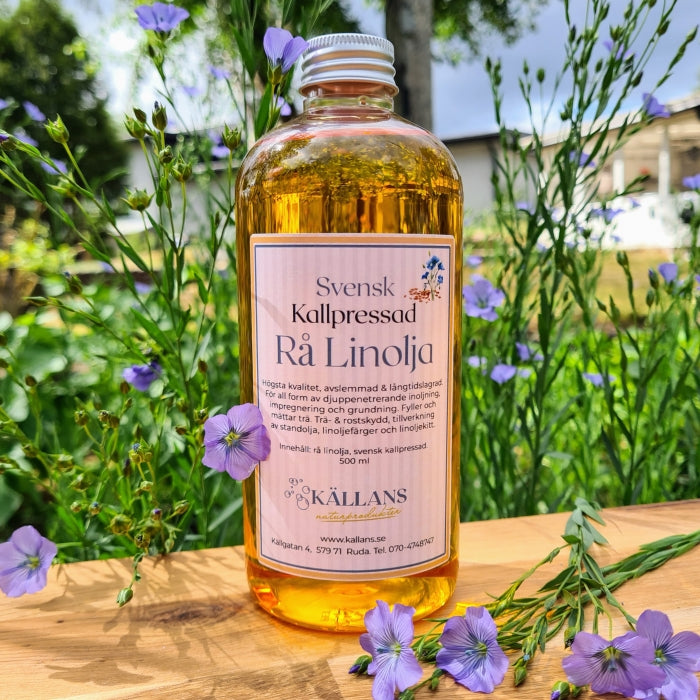
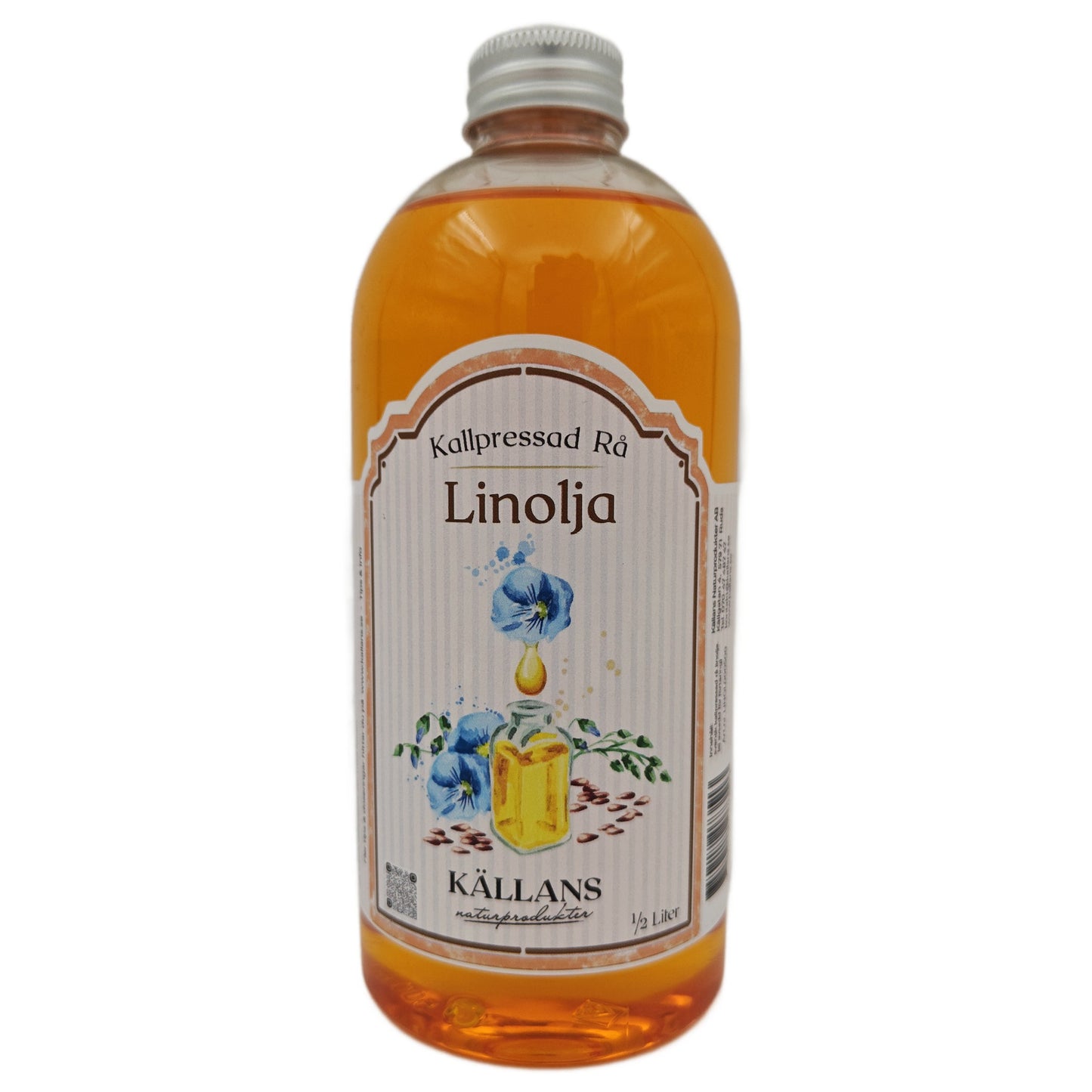
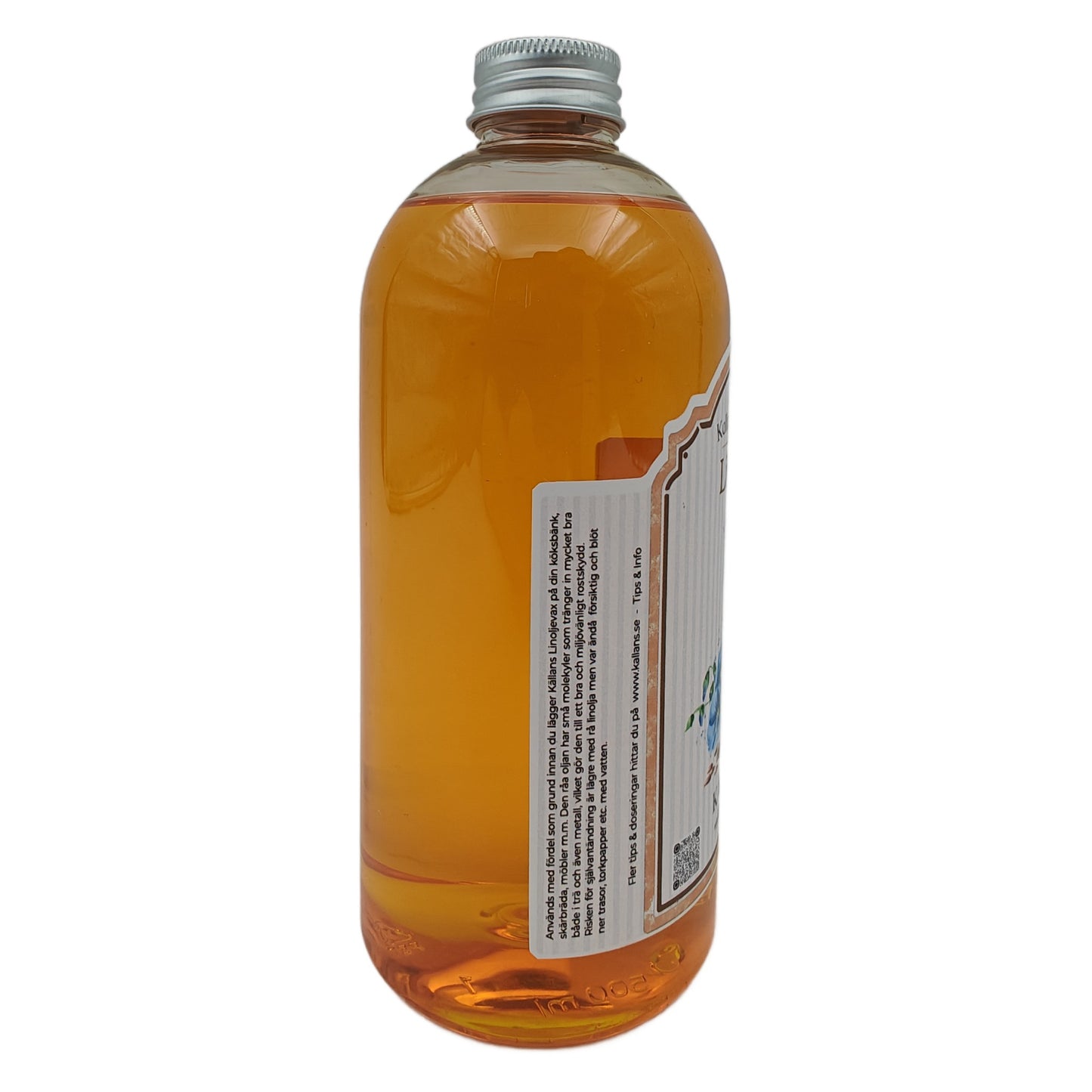
Linseed oil is a natural oil but a golden yellow color and is known for its drying properties, which makes it very useful in many different areas. When linseed oil is exposed to air, it goes through a polymerization process, causing it to solidify into a solid film. This unique property has made linseed oil a valuable component in the production of paints, varnishes and various wood treatment products.

What has the oil been used for?

Flaxseed oil is also used in culinary contexts, where it can serve as a nutritious source of omega-3 fatty acids. However, due to its susceptibility to oxidation and rancidity, it is used less frequently in cooking compared to other vegetable oils. Flaxseed oil has a long history of use, both as an industrial and artistic resource, and continues to be valued for its versatility and natural origin.