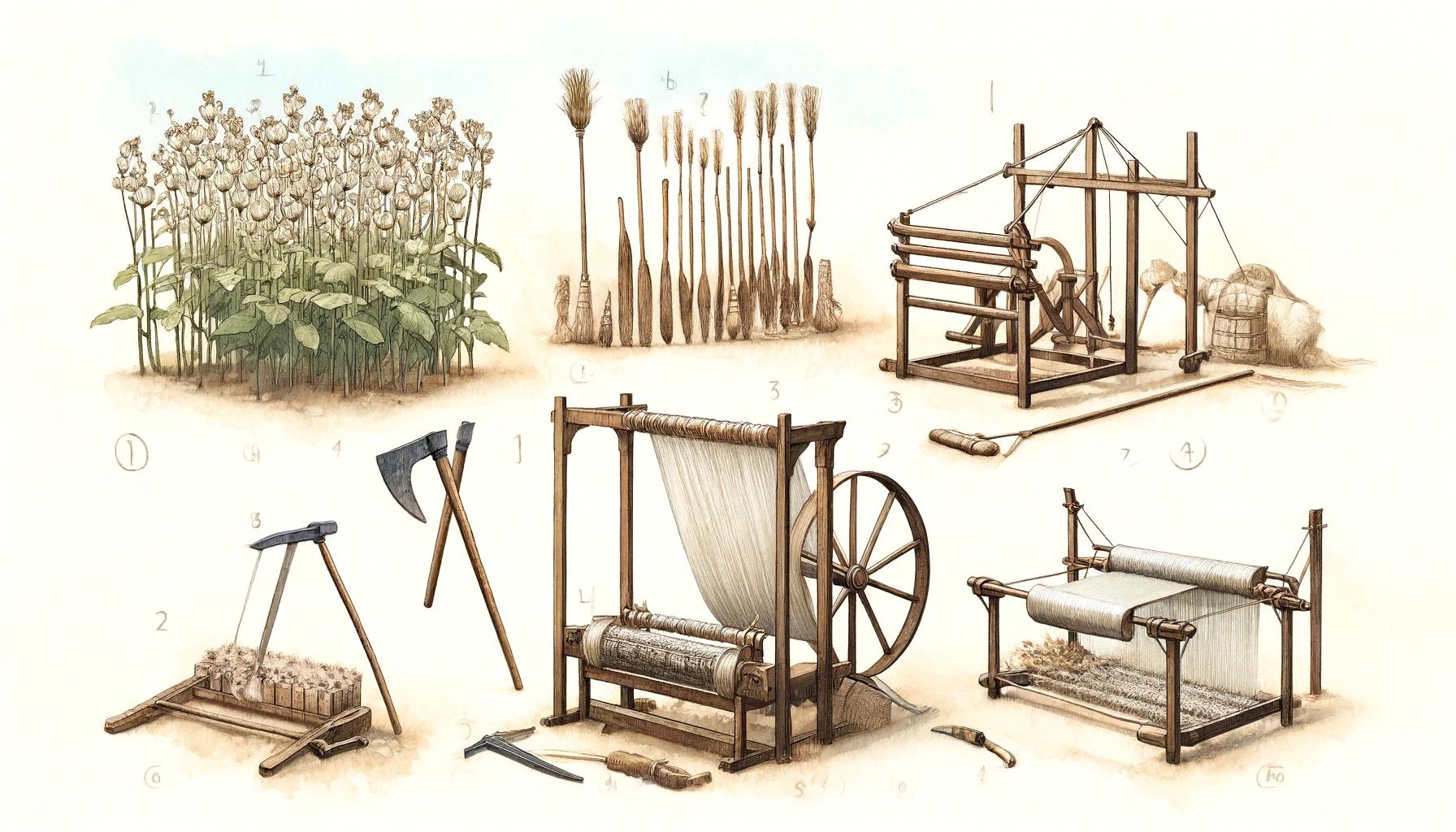
The history of flax is deeply rooted in human culture and economy. Evidence of its use dates back more than 5,000 years. There are wall paintings in ancient tombs in Egypt that depict in detail the process of flax cultivation and preparation, suggesting that flax was an important part of daily life and ceremonies. These textiles were so valued that they were often used as trade goods and as a form of currency.

Carl Linnaeus, the famous Swedish botanist, gave flax its scientific name, Linum usitatissimum , which translates to "the most useful" or "the most useful flax." This designation is fitting, as flax has historically been one of the most valuable textile materials for mankind.

Over the millennia, flax has been used not only to make clothing but also for a variety of other applications. Sails, fishing nets, ropes, and even paper for important writings have been made from flax. Its natural properties, such as durability and the ability to resist mold and bacteria, made it ideal for these uses.

In Europe during the Middle Ages, flax became even more central to economic and social life. Flemish and Italian merchants made fortunes trading in linen fabrics, and the climate of northern Europe proved well-suited to flax growing. This period saw technological improvements in the processing of flax fibers, which increased both the quality and quantity of cloth that could be produced.

Even in modern times, linen continues to be a valued material. Its eco-friendly nature – it requires less water and pesticides compared to cotton – makes it an attractive choice for sustainable fashion and other products. Linen is thus a material with a rich history that continues to be highly relevant and useful in today’s society.

5 Uses for Linseed Oil

Due to its natural properties, linseed oil is a popular choice for protecting and impregnating various surfaces such as...
Read more

Linseed oil and a little bit of history

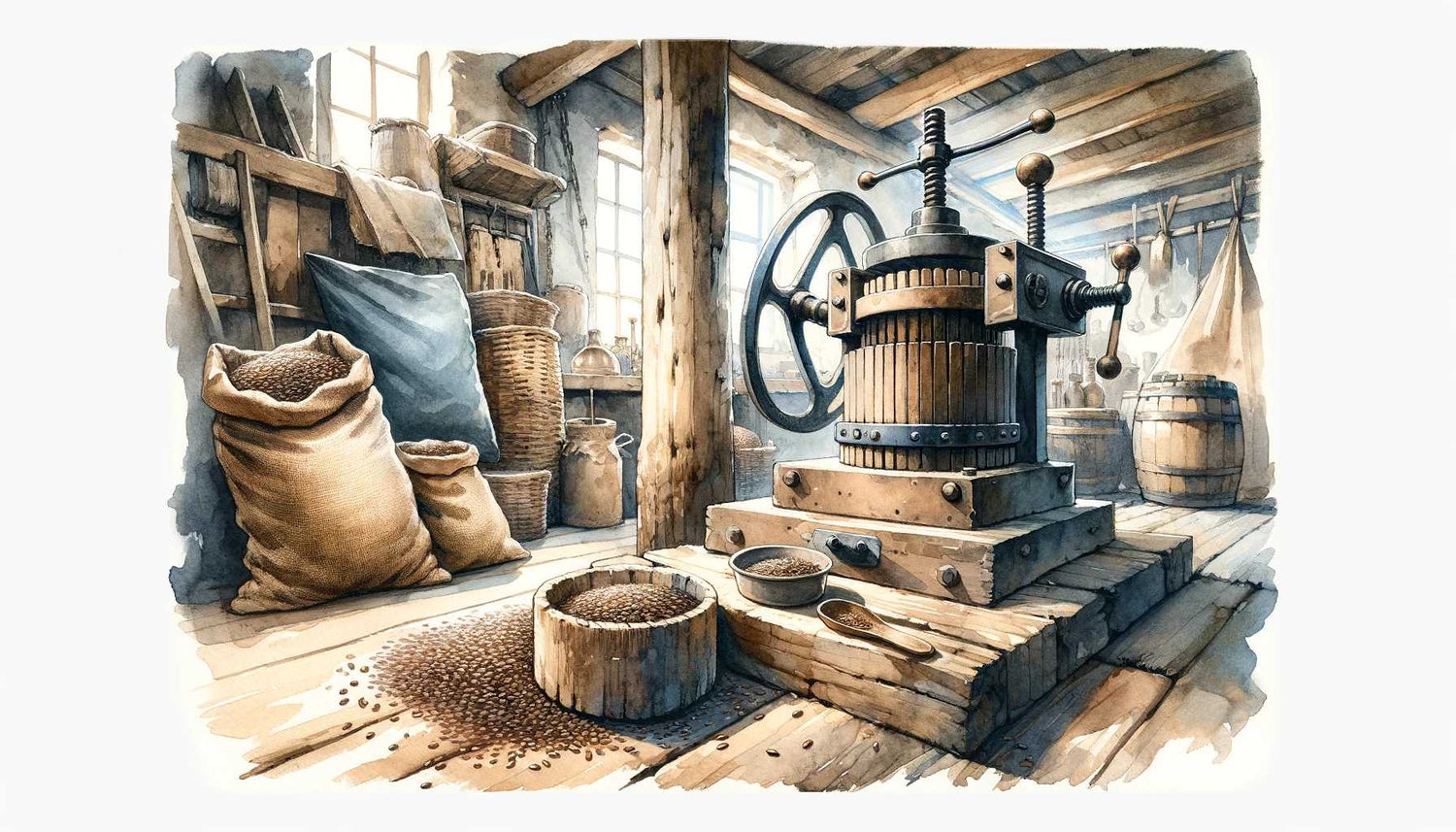
Linseed oil, extracted from the seeds of the flax plant (Linum usitatissimum), has been used since ancient times for a variety of purposes. Historical documents indicate that linseed oil was first produced and used around 6,000 years ago.

Read more