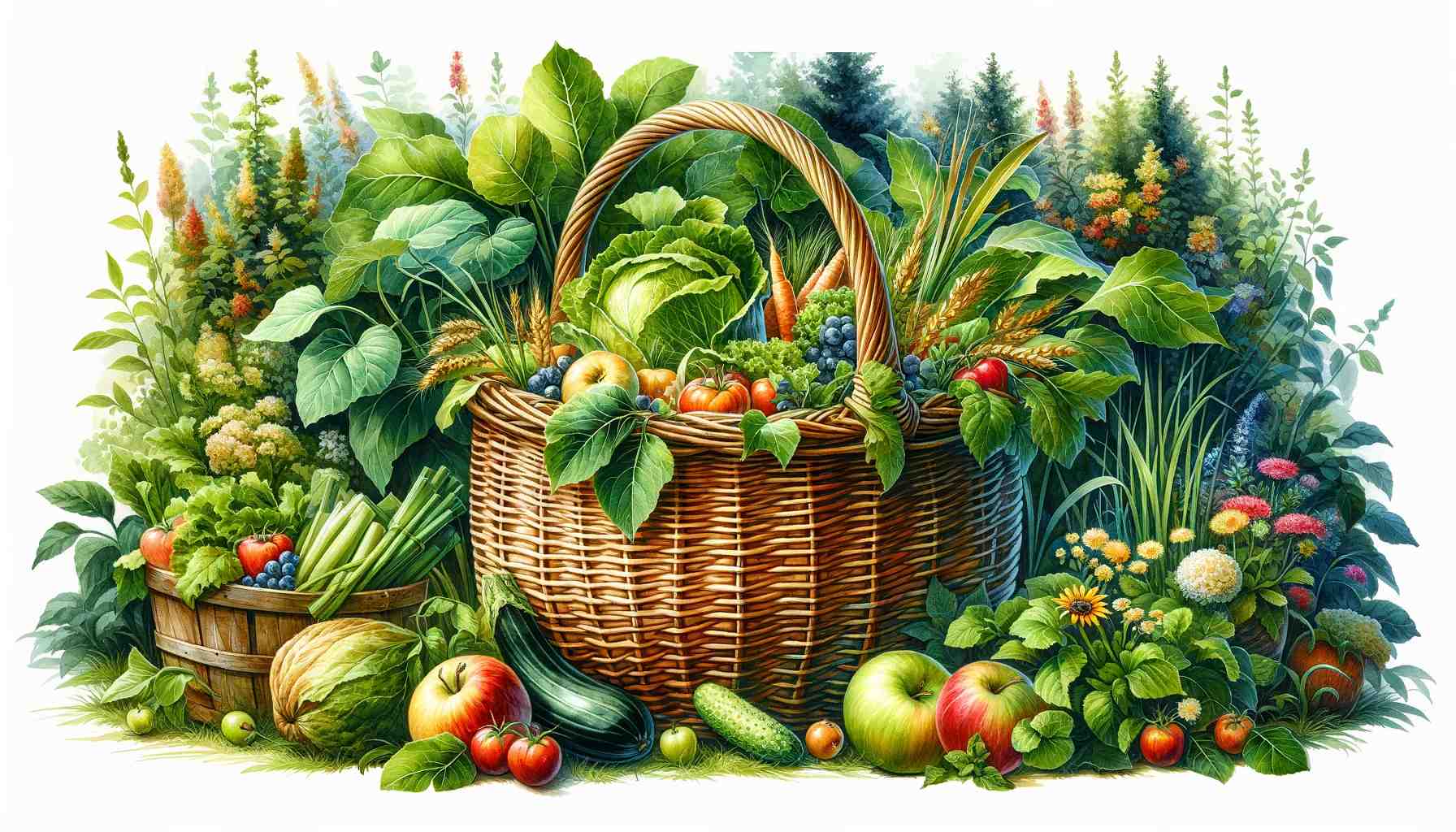
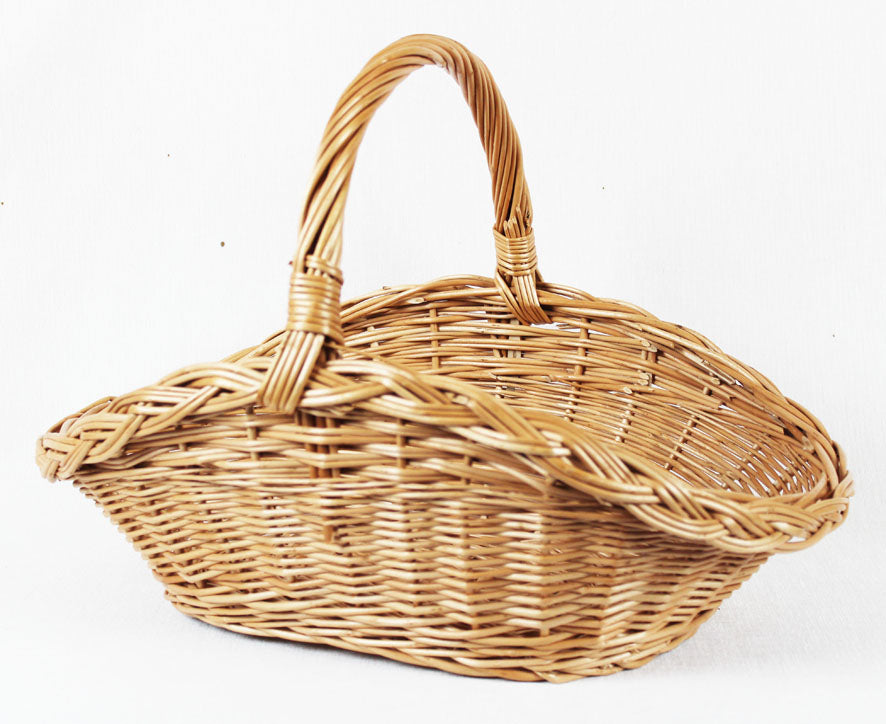
Choosing the right harvest basket is an important part of making gardening and harvesting more efficient and enjoyable. In this buying guide, we focus on harvest baskets made from natural materials, specifically willow, and why they are a better choice compared to plastic baskets.

With this guide, we hope you can make an informed choice and find the perfect harvest basket for your needs.

Why choose harvest baskets made of natural materials?

Harvest baskets made from natural materials, such as willow, offer several advantages that make them superior to plastic baskets. Here are some reasons why you should consider investing in a willow harvest basket:

Environmentally Friendly Choice

Biodegradable: Willow is a natural material that breaks down without harming the environment. Plastic, on the other hand, can take hundreds of years to decompose and contributes to environmental pollution.

Sustainable material: Willow can be grown and harvested sustainably, reducing your ecological footprint.

Aesthetically pleasing

Natural beauty: Willow harvest baskets have a natural charm and aesthetically pleasing appearance that fits perfectly in a garden setting.

Unique design: Each willow basket is unique, with slight variations in color and weaving that give each basket its own character.

Durability and Functionality

Strong and Durable: Willow is a sturdy material that can withstand heavy weight and wear and tear. This makes willow baskets durable and long-lasting.
Ventilation: Natural materials like willow provide better air circulation, which helps keep fruits and vegetables fresh during harvest.

Tradition and Craftsmanship

Handmade products: Many willow harvest baskets are handmade by skilled craftsmen, giving each basket a personal touch and high quality.

Cultural heritage: The use of willow for basketry has a long tradition and supports local craft methods.


Comparison with Plastic Harvest Baskets

Although plastic baskets may seem practical, there are several reasons why they are not as beneficial as wicker baskets:

Environmental impact

Plastic pollution: Plastic baskets contribute to plastic pollution that harms wildlife and the environment.

Non-renewable resource: Plastics are made from petroleum, a non-renewable resource, making them less sustainable in the long run.

Aesthetics and Feeling

Industrial design: Plastic baskets lack the natural beauty and feel that wicker baskets offer.

Mass-produced: Plastic baskets are often mass-produced and lack the unique character that handmade willow baskets have.

Health and Safety

Chemicals: Plastic baskets can contain chemicals like BPA and phthalates, which can be harmful to your health.

No ventilation: Plastic baskets tend to have poor ventilation, which can cause fruits and vegetables to rot faster.

Tips for Choosing the Right Harvest Basket

When choosing a willow harvest basket, consider the following factors to find the perfect basket for your needs:

Size and Capacity
Choose a basket size that suits the amount of crops you typically harvest. Larger baskets are good for larger harvests, while smaller baskets are ideal for smaller amounts.

Design and Construction
Check the quality of the weaving and make sure the basket is stable and durable. A well-made basket will last longer and be more reliable.

Handles and Comfort
Make sure the basket has comfortable handles that are easy to carry, even when the basket is full.

Maintenance and Care
Willow baskets require little maintenance, but be sure to clean them thoroughly and let them dry thoroughly after use to prevent mold and moisture.

Choosing harvest baskets made from natural materials like willow is a sustainable, aesthetically pleasing and practical choice for gardening and harvesting. By investing in a willow basket, you are supporting environmentally friendly practices while also getting a beautiful and functional basket that will last for many years. Let your next harvest basket be a natural choice that not only benefits you but also our planet.